Understanding Wood I-Joists
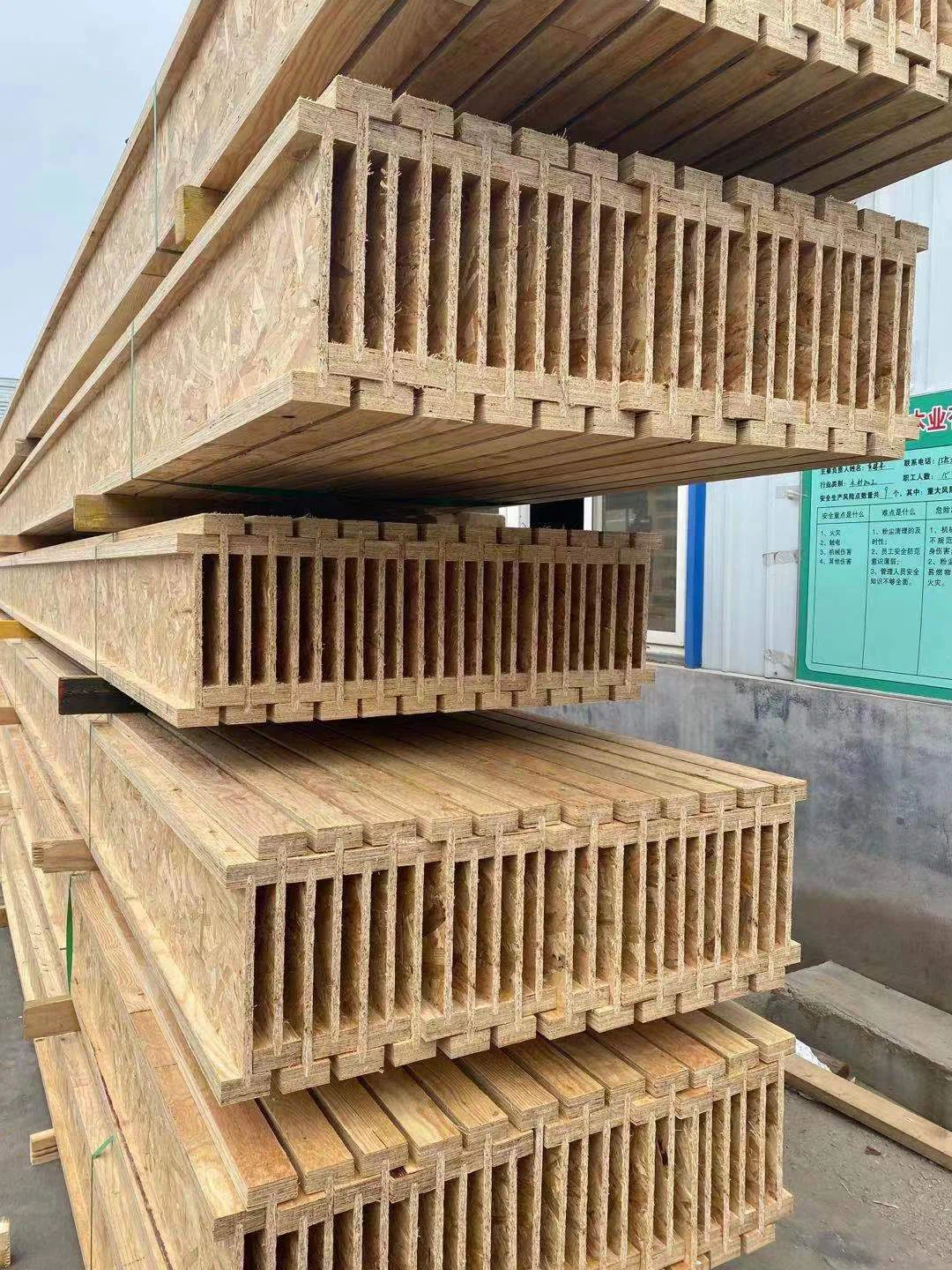
Wood I-joists are structural members designed to support floors and roofs. They are shaped like the capital letter "I," with a top and bottom flange made from solid lumber or LVL (laminated veneer lumber) and a thinner web of OSB (oriented strand board) connecting them. This design offers an excellent strength-to-weight ratio, reducing material costs and making them easier to handle compared to traditional solid lumber.
Their performance, however, heavily relies on proper handling and installation. Mistakes made during these stages can lead to structural weaknesses, costly repairs, or even complete failure over time.
The Importance of Proper Installation
Improper installation practices can cause significant issues such as sagging floors, squeaky structures, and even joist failure. On the other hand, following the correct guidelines ensures that the wood I-joists perform to their full potential and last for decades.
Here are several ways proper installation can dramatically increase the lifespan of wood I-joists:
1. Preventing Overloading and Damage
One of the primary benefits of wood I-joists is their ability to carry heavy loads across long spans. However, they are engineered with specific load ratings that must be adhered to. During installation, it's vital to ensure that the joists are installed according to the manufacturer's span tables and guidelines. Overloading or improper spacing can weaken the joists, leading to premature failure.
Installers should avoid standing heavy equipment or stacking materials directly on unsecured joists. Always distribute weight evenly and support the joists temporarily if needed during construction.
2. Protecting Against Moisture Damage
Wood products are vulnerable to moisture, and wood I-joists are no exception. Exposure to excessive moisture during storage, installation, or after construction can lead to swelling, warping, or decay, which shortens their lifespan significantly.
Proper installation practices include:
Storing joists off the ground and covered before installation.
Installing roof and wall systems promptly to protect the framing from rain.
Ensuring that crawl spaces and basements are properly ventilated or sealed to control humidity.
Using protective coatings or moisture barriers where required can also help maintain the integrity of the joists over time.
3. Avoiding Improper Cutting and Notching
While wood I-joists offer some flexibility for making openings (such as for HVAC ducts, plumbing, or wiring), there are strict guidelines on where and how these cuts can be made. Incorrect cuts can compromise the structural integrity of the joist.
Installers must follow the manufacturer’s instructions carefully regarding:
The size and location of holes.
Avoiding notches in the flanges.
Reinforcing areas around large openings if necessary.
Cutting outside of recommended areas without proper reinforcement can lead to cracks, splits, and ultimately failure under load.
4. Ensuring Proper Bearing and Support
At their ends, wood I-joists must rest on proper bearings — usually beams or walls — and must be adequately secured. The amount of joist that sits on the bearing surface (known as bearing length) is critical. If not enough bearing is provided, the joist can rotate or crush at the ends, reducing its ability to support loads.
Installers should use correct joist hangers and fasteners specified by the manufacturer to ensure strong connections. Skimping on these seemingly minor details can cause long-term performance problems.
5. Maintaining Alignment and Squareness
During installation, it’s important to maintain straight, level, and square positioning of the wood I-joists. Misalignment can cause uneven floors and stress on the joists, leading to early deterioration.
Simple steps like double-checking measurements, using temporary bracing during installation, and ensuring correct blocking and bridging between joists help maintain proper spacing and alignment.
Long-Term Benefits of Proper Installation
When properly installed, wood I-joists offer numerous long-term benefits, including:
Enhanced structural integrity: Well-installed joists create a stable, reliable framework for the floors and roofs of a building.
Reduced maintenance costs: Fewer issues like squeaks, cracks, or sagging minimize the need for costly repairs over time.
Improved safety: A well-supported structure is safer for occupants, reducing the risks associated with structural failures.
Energy efficiency: Properly aligned and sealed floor systems help improve the energy efficiency of a building by minimizing gaps and thermal bridging.
Ultimately, careful installation of wood I-joists saves time, money, and trouble in the long run. Builders, contractors, and even homeowners should ensure that anyone handling these essential components understands the manufacturer's guidelines and best practices for installation.
Choosing wood I-joists is a smart decision for modern construction thanks to their strength, versatility, and cost-effectiveness. However, the key to unlocking their full potential lies in the details of how they are installed. By following proper installation techniques — from careful handling to precise cutting and secure fastening — you can significantly extend the lifespan of your wood I-joists and ensure that your structure remains strong and stable for decades.